In the realm of interior design, the minimalist style has long been celebrated for its clean lines, simplicity, and emphasis on functionality. Characterized by a "less is more" philosophy, minimalist interiors often feature neutral color palettes, uncluttered spaces, and a focus on essential elements. On the other hand, metal decoration is typically associated with opulence, detail, and a bold aesthetic. Given these seemingly contrasting characteristics, a common question arises: Can metal decoration be used in a minimalist style interior? As a metal decoration supplier, I am excited to explore this topic and share insights on how metal can indeed find a harmonious place within minimalist design.
Understanding the Essence of Minimalism
Before delving into the integration of metal decoration, it's crucial to understand the core principles of minimalism. Minimalist design aims to eliminate the superfluous and focus on the fundamental aspects of a space. It values simplicity, clarity, and a sense of openness. Colors are usually muted, with a preference for whites, grays, and blacks. Furniture is streamlined, and accessories are kept to a minimum. The goal is to create a calm and serene environment that allows the mind to relax and the eye to rest.
The Allure of Metal Decoration
Metal has been used in interior design for centuries, prized for its durability, versatility, and aesthetic appeal. From sleek stainless - steel appliances to ornate wrought - iron chandeliers, metal can bring a sense of luxury, modernity, or industrial charm to a space. It can be molded into various shapes, textures, and finishes, offering endless possibilities for creative expression. For example, brushed nickel has a soft, muted sheen that adds a touch of sophistication, while polished chrome provides a high - gloss, reflective surface that catches the light.
Incorporating Metal in a Minimalist Interior
1. Selective Use of Metal Accents
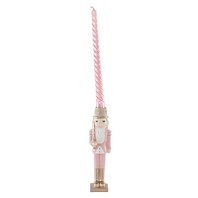
One of the key strategies for using metal decoration in a minimalist interior is through selective use of accents. Instead of overwhelming the space with large metal pieces, opt for small, carefully chosen items that can add a pop of interest without detracting from the overall simplicity. For instance, a pair of Nutcracker Candle Sticks can be placed on a minimalist side table. The metal construction of the candle sticks provides a contrast to the smooth, flat surface of the table, creating a focal point that draws the eye.
2. Choose Simple Metal Forms
In a minimalist setting, complex and overly detailed metal designs are often out of place. Look for metal pieces with clean, geometric shapes. A Round Stainless Steel Wire Mesh Cylinder Rolling Grill Basket can be a great addition to a minimalist kitchen. Its simple circular form and the linear pattern of the wire mesh fit well with the minimalist aesthetic. It not only serves a practical purpose but also adds an industrial touch to the space.
3. Coordinate with the Color Scheme
To ensure that metal decoration blends seamlessly with a minimalist interior, it's important to coordinate the metal finish with the existing color palette. In a predominantly white and gray space, a silver - toned metal like stainless steel or brushed nickel will complement the cool tones. If the interior has warmer earthy tones, copper or brass can be used to add a touch of warmth. For example, a small copper vase on a wooden console table can create a harmonious balance between the natural wood and the metallic element.
4. Integrate Metal with Other Materials
Combining metal with other minimalist materials such as wood, glass, and concrete can enhance the overall look of the space. A metal and glass coffee table is a classic example. The transparency of the glass softens the industrial feel of the metal, while the metal provides structure and support. Similarly, a metal frame around a wooden mirror can add a contemporary edge to a traditional piece.
Advantages of Using Metal in Minimalist Design
1. Contrast and Visual Interest
Metal brings a sense of contrast to a minimalist interior. The smoothness of metal against the rough texture of concrete or the softness of wood creates visual interest. This contrast helps to break up the monotony of a minimalist space, making it more engaging and dynamic.
2. Durability and Longevity
One of the practical advantages of using metal decoration is its durability. Metal is resistant to wear and tear, making it a long - lasting investment. In a minimalist interior, where the focus is on quality and essential elements, durable metal pieces can stand the test of time.
3. Modern and Timeless Appeal
Metal has a modern aesthetic that can give a minimalist interior a contemporary edge. At the same time, certain metal finishes and designs have a timeless quality. For example, a simple metal pendant light can remain stylish for years to come, making it a great choice for a minimalist home that aims for a long - term design solution.
Case Studies: Successful Metal - Minimalist Combinations
Let's take a look at some real - life examples of how metal decoration has been effectively used in minimalist interiors.
In a modern apartment, a minimalist living room features a large, floor - to - ceiling glass window. Against the white walls, a simple, black metal bookshelf is placed. The clean lines of the bookshelf match the minimalist style, while the black metal provides a strong visual contrast to the light - colored walls and the transparency of the glass. The bookshelf not only serves as a functional storage unit but also adds a touch of industrial charm to the space.
Another example is a minimalist kitchen. The cabinets are made of white high - gloss laminate, and the countertops are a sleek, gray marble. In this setting, a stainless - steel range hood and sink stand out as functional yet stylish metal elements. The reflective surface of the stainless steel adds a sense of luxury and modernity to the otherwise simple kitchen design.
Overcoming Challenges
While metal can enhance a minimalist interior, there are some challenges to be aware of. One potential issue is the risk of making the space look too cold or industrial. To avoid this, balance the metal elements with warm materials such as wood or soft textiles. Another challenge is choosing the right scale of metal pieces. If the metal items are too large or too small, they can disrupt the harmony of the space. It's important to consider the overall proportions of the room when selecting metal decoration.
Conclusion
In conclusion, metal decoration can indeed be used in a minimalist style interior. By following the principles of selective use, simple forms, color coordination, and material integration, metal can add a unique and sophisticated touch to a minimalist space. As a metal decoration supplier, I have seen firsthand how metal can transform a minimalist interior from ordinary to extraordinary.


If you are interested in exploring how metal decoration can enhance your minimalist interior, I invite you to contact me for a procurement discussion. I can provide a wide range of metal products that are suitable for minimalist design, from elegant candle holders to functional household items. Let's work together to create a space that combines the best of both minimalist simplicity and metal allure.
References
- "The Elements of Interior Design" by Francis D. K. Ching
- "Minimalism: A Way of Life" by Joshua Fields Millburn and Ryan Nicodemus
- Interior Design Magazine archives on minimalist and metal design trends.