
In the realm of interior design, traditional style holds a timeless allure, evoking a sense of warmth, elegance, and heritage. It often incorporates elements that pay homage to historical periods, cultures, and craftsmanship. One powerful way to enhance a traditional style interior is through the strategic use of metal decorations. As a seasoned metal decoration supplier, I've witnessed firsthand how these metallic accents can transform a space from ordinary to extraordinary. In this blog, I'll share some insights on how to effectively use metal decorations in a traditional style interior.
Understanding the Characteristics of Traditional Style
Before delving into the use of metal decorations, it's essential to understand the key characteristics of traditional style. Traditional interiors typically feature rich, warm colors such as deep reds, forest greens, and golden yellows. They often include ornate details, intricate patterns, and high - quality materials. Furniture pieces are usually substantial in size, with classic silhouettes like cabriole legs on chairs and tables. Fabrics are luxurious, such as silk, velvet, and brocade.
Types of Metal Decorations for Traditional Interiors
1. Ornate Wall Art
Wall art made of metal can be a focal point in a traditional room. Intricately designed metal wall panels, for example, can add a touch of grandeur. These panels may feature floral motifs, scrollwork, or geometric patterns inspired by historical art forms. A large, gilded metal wall mirror is another classic choice. It not only reflects light but also serves as a decorative element. The frame can be embellished with detailed carvings or castings, enhancing the overall traditional aesthetic.
2. Lighting Fixtures
Lighting is crucial in setting the mood of a traditional interior, and metal fixtures play a significant role. Chandeliers made of brass or wrought iron are iconic in traditional spaces. A multi - tiered chandelier with crystal accents can create a dazzling display of light and add a sense of opulence. Wall sconces with metal frames and fabric shades can provide soft, ambient lighting while adding to the room's decorative appeal.
3. Decorative Objects
Smaller metal decorative objects can be used to add finishing touches. Metal candlesticks, for instance, are a staple in traditional dining rooms. They can be paired with tapered candles to create a romantic and elegant atmosphere. Metal sculptures, such as figurines of animals or mythological creatures, can be placed on mantels, side tables, or shelves to add a touch of artistry and storytelling to the space.
4. Furniture Accents
Metal accents on furniture can elevate its traditional look. Brass handles on cabinets and drawers add a touch of luxury and sophistication. Metal studs or nailheads can be used to trim the edges of sofas, chairs, or ottomans, giving them a more refined and tailored appearance.
Incorporating Metal Decorations into Different Rooms
Living Room
The living room is often the heart of a home, and metal decorations can make it even more inviting. A large, gilded mirror above the fireplace can serve as a centerpiece. Pair it with a set of brass candlesticks on the mantel for a classic look. A wrought - iron chandelier can hang from the ceiling, providing both light and a decorative element. Place metal sculptures on side tables or display them on a bookshelf to add visual interest.
Dining Room
In the dining room, a grand chandelier is a must - have. A brass or crystal - encrusted chandelier can create a luxurious dining experience. Metal candlesticks can be arranged in the center of the table, flanked by floral arrangements. Consider using metal place card holders or coasters to add a touch of elegance to the dining setting.
Bedroom
The bedroom is a place of relaxation, and metal decorations can create a serene yet elegant atmosphere. A metal - framed mirror can be placed on a dressing table. Wall sconces on either side of the bed can provide soft, bedtime reading light. Metal bedside tables with ornate details can add a touch of luxury to the sleeping area.
Complementary Colors and Materials
When using metal decorations in a traditional style interior, it's important to consider color and material combinations. Metals like brass, gold, and copper have warm tones that pair well with the rich, earthy colors commonly found in traditional interiors. For example, a gilded metal frame can complement a red or burgundy wall.

In terms of materials, metal can be combined with wood, fabric, and stone. A wooden dining table with brass handles on the drawers creates a beautiful contrast between the warmth of the wood and the shine of the metal. A metal chandelier can be paired with a velvet sofa to add a touch of texture and luxury.
Seasonal and Themed Decor
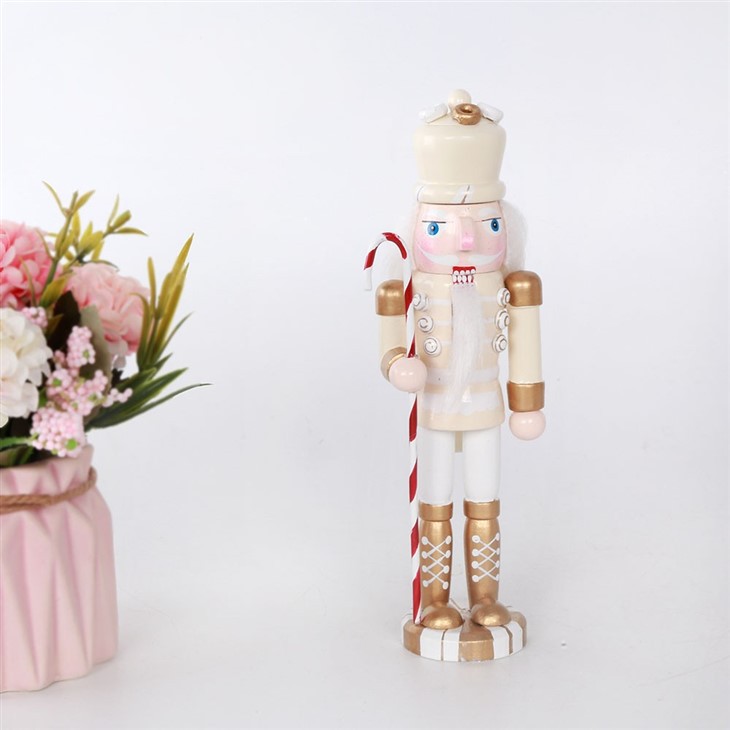
Metal decorations can also be used for seasonal and themed decor. For example, during Christmas, you can incorporate metal Christmas tree ornaments. Check out Golden Wooden Nutcracker Ornament Christmas and Wooden Christmas Table Decorations for some inspiration. These items can add a festive touch to your traditional interior. During Easter, Easter Eggs In A Box can be a charming addition.
Maintenance of Metal Decorations
To keep your metal decorations looking their best, proper maintenance is essential. For brass and copper items, regular polishing can help maintain their shine. Use a soft cloth and a metal polish specifically designed for these metals. Wrought iron items may need to be protected from rust. A light coat of wax can be applied to prevent oxidation.
Conclusion
Using metal decorations in a traditional style interior is a wonderful way to add elegance, warmth, and character to your space. Whether you're looking to create a grand and opulent look or a more subtle and refined atmosphere, there are countless ways to incorporate metal accents. As a metal decoration supplier, I am passionate about helping you find the perfect pieces for your traditional interior. If you're interested in exploring our range of metal decorations or have any questions about how to use them in your space, I encourage you to reach out. We can discuss your specific needs and preferences, and work together to bring your design vision to life.
References
- "Traditional Interior Design: A Comprehensive Guide" by Interior Design Institute
- "The Art of Metalwork in Interior Decor" by Decorative Arts Journal


