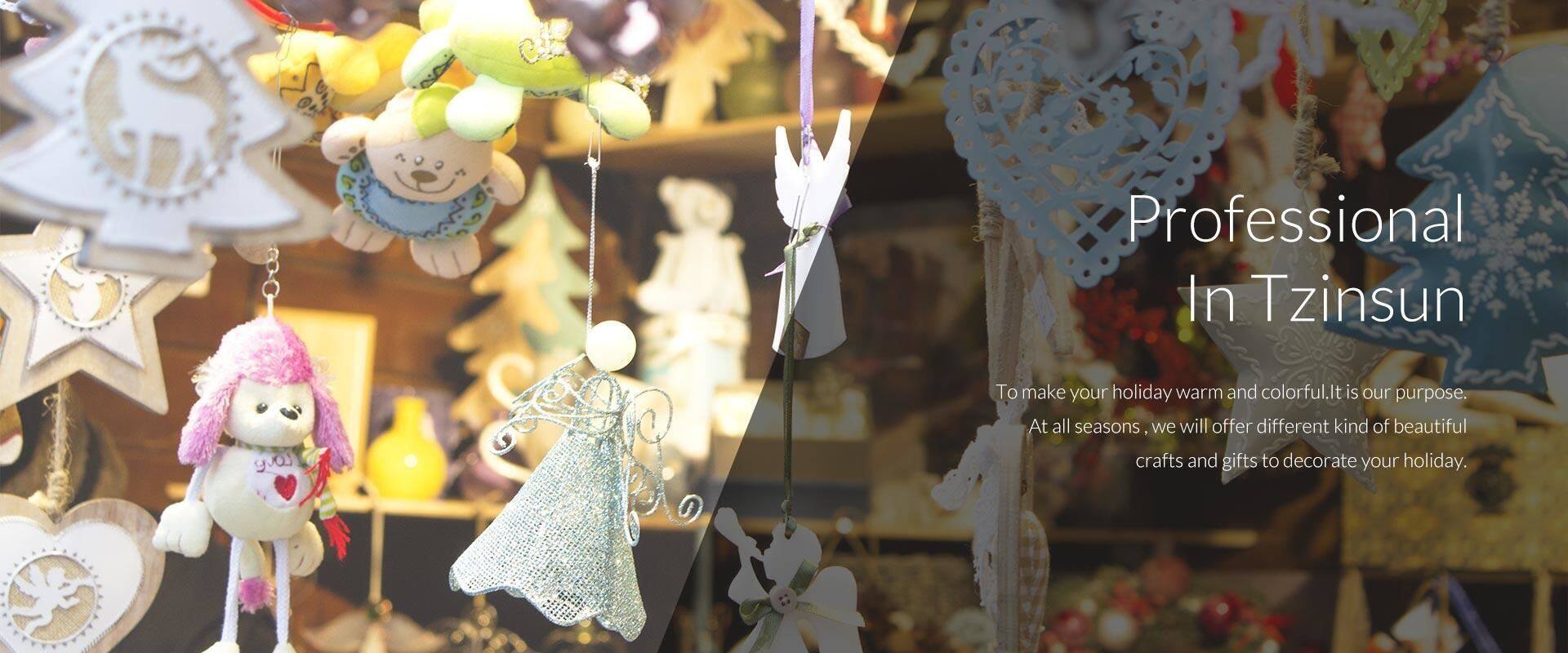
Metal decoration has long been a captivating art form that adds a touch of elegance, luxury, and personality to various objects and spaces. As a supplier in the metal decoration industry, I've had the privilege of witnessing the diverse and timeless themes that continue to inspire designers and consumers alike. In this blog post, I'll explore some of the common themes in metal decoration and how they can transform ordinary items into extraordinary works of art.
Nature-Inspired Themes
One of the most prevalent themes in metal decoration is nature. The beauty and complexity of the natural world provide endless inspiration for artists and designers. From delicate floral patterns to majestic animal motifs, nature-inspired metal decorations can bring the outdoors inside and create a sense of tranquility and harmony.
Floral Patterns
Flowers are a classic symbol of beauty, love, and renewal, making them a popular choice for metal decoration. Whether it's a single rose in full bloom or a lush bouquet of wildflowers, floral patterns can add a touch of femininity and romance to any space. Metal floral decorations can be found on a variety of items, including jewelry, home decor, and architectural elements. For example, a metal wall art featuring a cluster of cherry blossoms can create a stunning focal point in a living room or bedroom.
Animal Motifs
Animals have long fascinated humans with their grace, power, and beauty. From lions and tigers to birds and butterflies, animal motifs are a common theme in metal decoration. These motifs can be used to represent strength, freedom, and protection, or simply to add a touch of whimsy and playfulness to a design. Metal animal sculptures, such as a bronze elephant or a silver owl, can make a bold statement in a garden or a contemporary living space.
Geometric Patterns
Geometric patterns are another popular theme in metal decoration. These patterns are based on simple geometric shapes, such as circles, squares, triangles, and rectangles, and can be used to create a sense of order, balance, and symmetry. Geometric patterns can be found in a variety of styles, from modern and minimalist to traditional and ornate. For example, a metal pendant with a geometric pattern can add a contemporary edge to a classic outfit.
Cultural and Historical Themes
Metal decoration often reflects the cultural and historical heritage of a particular region or period. From ancient civilizations to modern-day cultures, metal decorations can tell stories, preserve traditions, and celebrate the diversity of human experience.
Ancient Civilizations
The art of metal decoration has a long and rich history, dating back to ancient civilizations such as Egypt, Greece, and Rome. These civilizations used metal to create intricate jewelry, weapons, and religious artifacts, often featuring symbols and motifs that were significant to their culture and beliefs. For example, Egyptian jewelry often featured symbols such as the scarab beetle, which represented rebirth and regeneration, while Greek armor was decorated with images of gods and heroes.
Ethnic and Folk Art
Ethnic and folk art traditions around the world have also had a significant influence on metal decoration. From the colorful beadwork of Native American tribes to the intricate filigree of Indian jewelry, ethnic and folk art motifs can add a unique and authentic touch to metal decorations. These motifs often reflect the cultural values, beliefs, and traditions of a particular community, and can be used to create a sense of connection and identity.
Art Deco and Art Nouveau
The Art Deco and Art Nouveau movements of the early 20th century had a profound impact on metal decoration. These movements were characterized by their use of bold, geometric shapes, organic forms, and decorative motifs, and they influenced the design of everything from jewelry and furniture to architecture and interior design. Metal decorations from the Art Deco and Art Nouveau periods often feature intricate patterns, stylized forms, and luxurious materials, such as gold, silver, and platinum.
Symbolic and Spiritual Themes
Metal decoration can also be used to express symbolic and spiritual meanings. From religious symbols to personal talismans, metal decorations can serve as a source of inspiration, protection, and connection to something greater than ourselves.
Religious Symbols
Religious symbols are a common theme in metal decoration, especially in jewelry and religious artifacts. These symbols can represent different religions and beliefs, such as Christianity, Judaism, Islam, and Buddhism, and can be used to express faith, devotion, and spirituality. For example, a cross necklace is a popular symbol of Christianity, while a Star of David pendant is a symbol of Judaism.
Personal Talismans
Personal talismans are another type of metal decoration that can hold symbolic and spiritual meaning. These talismans can be anything from a lucky charm to a family heirloom, and they are often believed to bring good luck, protection, and positive energy. For example, a metal bracelet with a lucky charm, such as a four-leaf clover or a horseshoe, can be worn as a personal talisman.
Feng Shui and Energy Symbols
Feng Shui is an ancient Chinese practice that uses the principles of energy flow and balance to create harmonious and prosperous living environments. Metal decorations can be used in Feng Shui to enhance the energy of a space and attract positive chi. For example, a metal wind chime can be hung in a window or a doorway to bring in positive energy, while a metal statue of a dragon can be placed in a home office to enhance creativity and success.
Contemporary and Modern Themes
In addition to traditional and historical themes, metal decoration also incorporates contemporary and modern design elements. These themes often reflect the current trends and styles in art, fashion, and interior design, and they can be used to create a unique and personalized look.
Minimalism
Minimalism is a design style that emphasizes simplicity, clean lines, and functionality. Metal decorations in a minimalist style often feature simple geometric shapes, smooth surfaces, and a limited color palette. These decorations can be used to create a sleek and modern look in a contemporary living space. For example, a metal wall art with a minimalist design can add a touch of sophistication to a white-walled room.
Industrial Chic
Industrial chic is a design style that combines elements of industrial design, such as exposed pipes, raw materials, and mechanical parts, with modern and contemporary design elements. Metal decorations in an industrial chic style often feature rough textures, distressed finishes, and a rustic look. These decorations can be used to create a unique and edgy look in a loft apartment or a warehouse-style office. For example, a metal pendant light with an industrial design can add a touch of character to a dining room.
Artistic Expression
Metal decoration can also be used as a form of artistic expression. Artists and designers often use metal to create unique and one-of-a-kind sculptures, installations, and jewelry. These works of art can be inspired by a variety of sources, such as nature, culture, and personal experiences, and they can be used to convey a message or evoke an emotion. For example, a metal sculpture of a human figure can be used to explore themes of identity, beauty, and human connection.
Conclusion
As a supplier in the metal decoration industry, I've seen firsthand the power of these common themes to transform ordinary objects into extraordinary works of art. Whether you're looking to add a touch of elegance to your home, express your personal style, or celebrate your cultural heritage, metal decoration offers a wide range of options to suit your needs and preferences.
If you're interested in incorporating metal decoration into your next project, I invite you to contact me to discuss your ideas and explore our extensive collection of metal decorations. Our team of experts is dedicated to providing high-quality products and exceptional customer service, and we're committed to helping you find the perfect metal decoration to meet your needs.
References - Ackerman, S. (2018). Metalwork Through the Ages: An Introduction to the Art and Craft of Metalworking. Thames & Hudson. - Burke, J. (2001). Connections. Little, Brown and Company. - Fitch, J. M., & Branch, W. (2006). American Building: The Environmental Forces That Shaped It. Oxford University Press. - Gage, J. (1993). Color and Culture: Practice and Meaning from Antiquity to Abstraction. Thames & Hudson. - Pye, D. (1968). The Nature and Aesthetics of Design. Thames & Hudson.