
What are the features of African - style metal decoration?
As a seasoned metal decoration supplier, I've spent years exploring and importing a wide range of decorative items from different corners of the globe. African - style metal decorations, in particular, have always enchanted me with their rich cultural significance and distinct aesthetic features. In this blog, I'll delve into the unique characteristics of African - style metal decoration, highlighting why these pieces are so sought - after in the global market.
A Tribute to Nature and the Animal Kingdom
One of the most defining features of African - style metal decoration is its profound connection to nature and the animal kingdom. Africa is home to a diverse range of wildlife, from majestic lions and elephants to graceful giraffes and zebras. It's no wonder that these animals often serve as the primary inspiration for metal artists across the continent.
Whether it's a life - sized lion statue or a delicate zebra - shaped wall hanging, animal motifs are omnipresent in African - style metalwork. These representations are not just decorative; they carry deep cultural and spiritual meanings. In many African cultures, animals are seen as symbols of power, strength, and wisdom. For instance, the lion is often associated with royalty and leadership, while the elephant represents stability and longevity.
The use of natural elements in African - style metal decoration is not limited to animals. Artists also incorporate plants, trees, and landscapes into their designs. Intricately carved leaves, vines, and flowers add a touch of organic beauty to metal sculptures and wall art. These natural elements not only pay homage to Africa's abundant flora but also bring a sense of tranquility and harmony to the decor.
Intricate Geometric Patterns
Another striking feature of African - style metal decoration is the extensive use of intricate geometric patterns. Geometric shapes have been a part of African art for centuries, serving as a means of communication, storytelling, and cultural expression.
In metalwork, geometric patterns are often used to create mesmerizing visual effects. Artists use techniques such as etching, engraving, and punching to create elaborate designs on metal surfaces. These patterns can range from simple lines and circles to complex tessellations and fractals.
One of the most popular geometric patterns in African - style metal decoration is the diamond pattern. Diamonds are often arranged in repeating formations to create a sense of movement and rhythm. The triangular pattern is also commonly used, symbolizing strength and stability. These geometric patterns are not only aesthetically pleasing but also carry cultural and symbolic meanings. They are a visual language that speaks to the rich heritage and traditions of African cultures.
Rustic and Earthy Aesthetics
African - style metal decoration is characterized by its rustic and earthy aesthetics. The metals used in these pieces, such as iron, brass, and copper, often have a natural patina that gives them a weathered and aged look. This rustic finish adds a sense of authenticity and charm to the decorations, making them feel like they've been passed down through generations.
In addition to the natural patina of the metals, African - style metal decorations often incorporate other earthy materials such as wood, stone, and leather. These materials are used to enhance the overall aesthetic and create a more textured and tactile experience. For example, a metal sculpture might be mounted on a wooden base, or a wall hanging might feature leather straps for added detail.
The earthy color palette of African - style metal decoration also contributes to its rustic appeal. Browns, blacks, and oranges are commonly used, reflecting the colors of the African landscape. These warm and earthy tones create a cozy and inviting atmosphere, making African - style metal decorations perfect for both indoor and outdoor spaces.
Cultural and Spiritual Symbolism
African - style metal decoration is deeply rooted in the continent's rich cultural and spiritual traditions. Each piece of metalwork often carries specific symbols and meanings that are unique to the culture from which it originated.
For example, in some African cultures, certain symbols are used to represent fertility, protection, and good luck. These symbols are often incorporated into the design of metal decorations, such as amulets, talismans, and spirit masks. Wearing or displaying these symbolic pieces is believed to bring positive energy and ward off evil spirits.
Traditional African religions and belief systems also heavily influence the design of metal decorations. Many pieces feature images of gods, goddesses, and ancestors, serving as a way to honor and connect with the spiritual world. These religious and spiritual symbols add a layer of depth and significance to African - style metalwork, making it more than just a decorative item.

Versatility in Design and Function
African - style metal decorations come in a wide variety of designs and serve multiple functions. From large - scale sculptures that can be used as focal points in a garden to small, intricate wall hangings that add a touch of personality to a room, there's an African - style metal decoration for every space and taste.
In addition to their decorative purposes, many African - style metal items also have practical uses. For example, metal bowls and containers can be used for serving food or storing small items. Metal lanterns not only provide a warm and inviting glow but also add a touch of ambiance to any outdoor gathering. This versatility makes African - style metal decorations a popular choice for both homeowners and designers looking to create unique and functional spaces.
The Role of African - Style Metal Decoration in Contemporary Interior Design
In recent years, African - style metal decoration has gained popularity in contemporary interior design. Designers are incorporating these unique pieces into modern spaces to add a touch of cultural diversity and create a sense of globalism.
When used in contemporary interiors, African - style metal decorations can act as statement pieces, adding a bold and dramatic element to a room. A large metal sculpture in a minimalist living room, for example, can create a striking contrast and become the focal point of the space. On the other hand, smaller metal accents, such as wall hooks or candle holders, can add a subtle touch of African influence without overwhelming the overall design.
The natural and earthy aesthetics of African - style metal decoration also make it a perfect fit for eco - friendly and sustainable interior design trends. By incorporating these pieces into their homes, consumers can reduce their environmental impact while still enjoying beautiful and unique decor.
Connecting with African - Style Metal Decoration Suppliers
If you're interested in adding a touch of African style to your home or project, we're here to help. As a trusted metal decoration supplier, we offer a wide range of authentic African - style metal decorations that are carefully selected and sourced directly from skilled artisans on the continent.
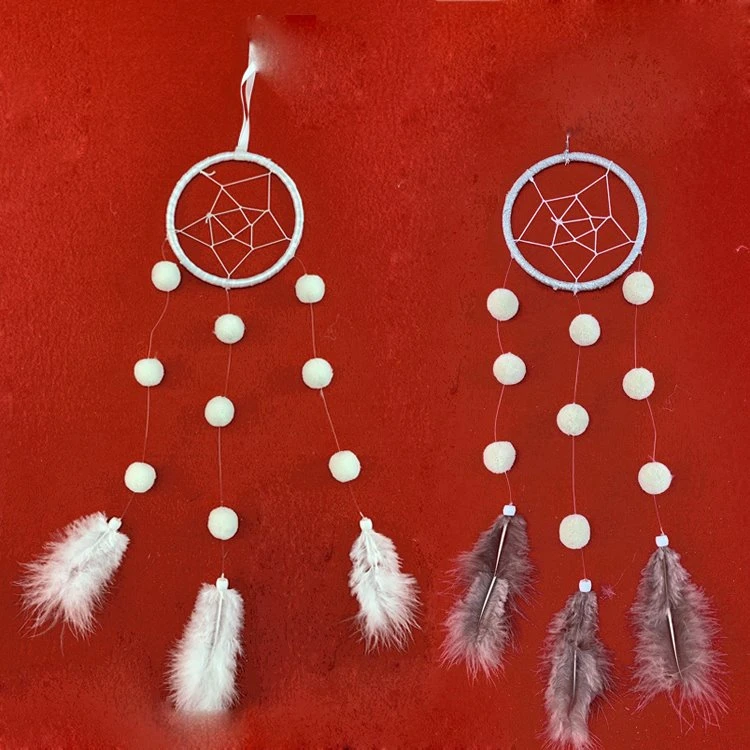
In addition to traditional African - style metalwork, we also have a variety of other decorative items in our catalog. You can explore our collection of Battery Christmas Lights Indoor, Feathers On Dream Catchers, and Wooden Tabletop Tree for unique and festive decoration ideas.
Our team is dedicated to providing high - quality products and excellent customer service. We believe that every piece of metal decoration should tell a story and bring joy to your life. Whether you're a homeowner looking to spruce up your living space or a designer working on a commercial project, we can help you find the perfect African - style metal decorations to meet your needs.
Contact us today to start a conversation about your decoration requirements. We're excited to work with you to create a space that is truly unique and reflects the beauty and richness of African culture.
References
- "African Art: A World View" by Fidelis Duncan
- "The Art of African Metalworking" by Kehinde Adeyemi
- "African Symbolism in Art and Culture" by Maulana Karenga


