
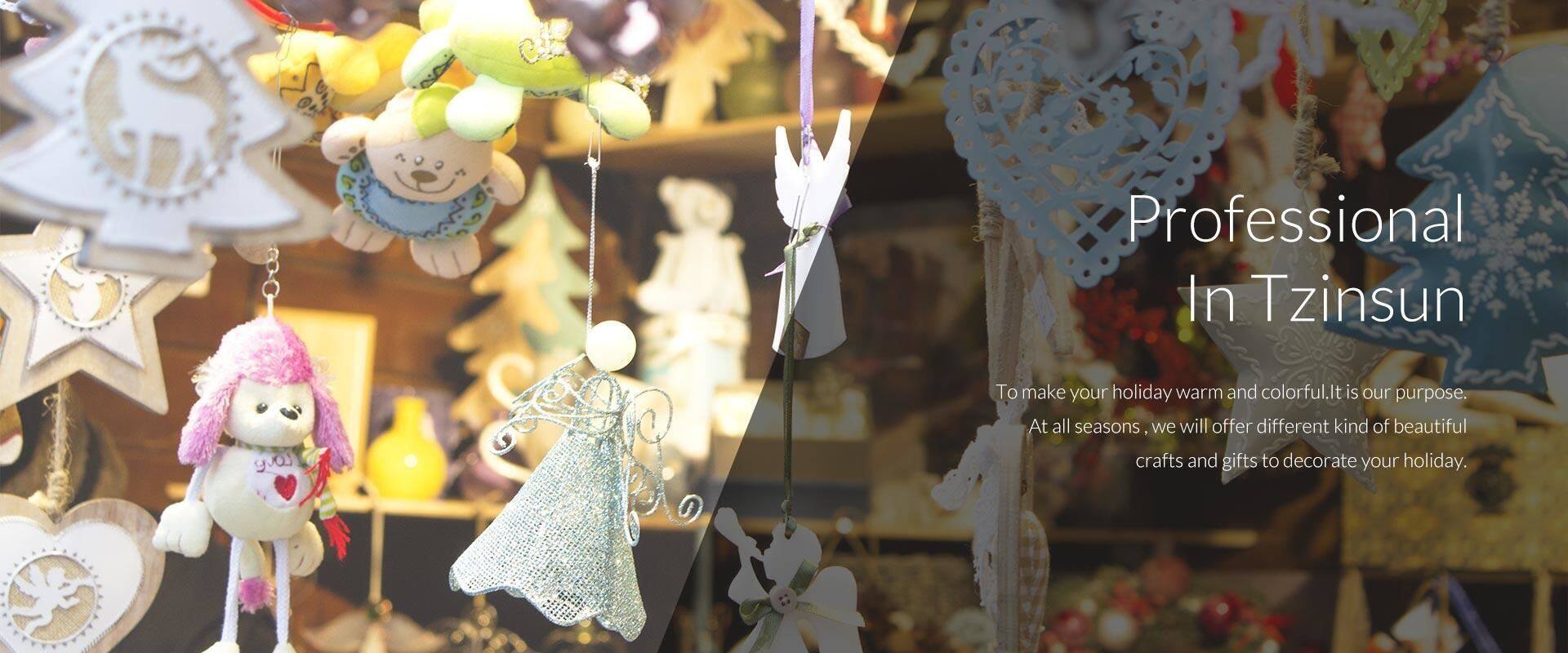
The Christmas craft market is undergoing a silent revolution.
As the 2025 Christmas season approaches, three major innovation trends are emerging in the B2B field: sustainable materials, personalized customization and innovative layout of global manufacturing.
1. Sustainable and environmentally friendly materials: from concept to mainstream
IKEA's 2025 Christmas series (VINTERFINT/VINTERSAGA) uses a lot of logs, cotton and linen and degradable elements. It is inspired by traditional Nordic fairy tales and conveys a warm texture.
The Bruges Christmas Market in Belgium announced that it will replace metal stalls with wooden huts in 2025 because consumers criticized the original facilities for being "cold and lacking in festive atmosphere." This transformation proves that environmental protection and experience are deeply combined.
Our insun craft factory officially launched the latest Christmas items for 2025 for purchase. For more products, please consult us for the latest product catalog.


2. Personalized DIY: The engine that ignites the consumer market
The experience value of handicrafts is surpassing the product itself.
Hobbycraft set amazing data in the Christmas season of 2022: puzzle sales soared 220%, and children's handmade sets increased by 18%10. Behind this is the promotion of social media - the #DIYChristmasGift tag on TikTok has been viewed 23.6 million times, triggering widespread dissemination.
3. New layout of global manufacturing: nearshore and localization
Supply chain resilience has become the life and death line of craft enterprises.
Chinese companies have shown amazing adaptability in restructuring the global production network. The first Chinese ceramic factory was established in Tanzania, using the local 20℃ constant temperature environment and high-quality porcelain clay to reduce energy consumption by 15%. The first phase of the factory achieved a daily production capacity of 60,000 pieces, and 13 Chinese technical backbones trained more than 300 local employees, with salaries 30% higher than the local average. Export freight to Europe has been reduced by 40%, tariffs have been reduced to zero, and delivery cycles have been shortened by 50%2. It is planned to replicate this model in three African countries in 2025.
The key to success in Christmas crafts in 2025 lies in the trinity of environmentally friendly material research and development, personalized supply chain response, and global flexible manufacturing. Pioneer companies such as INSUN Craft have proven that only by placing production bases close to resources and markets and connecting consumer demand with factory production lines through digitalization can the warmth of the holidays be transformed into a sustainable and growing business force.


